
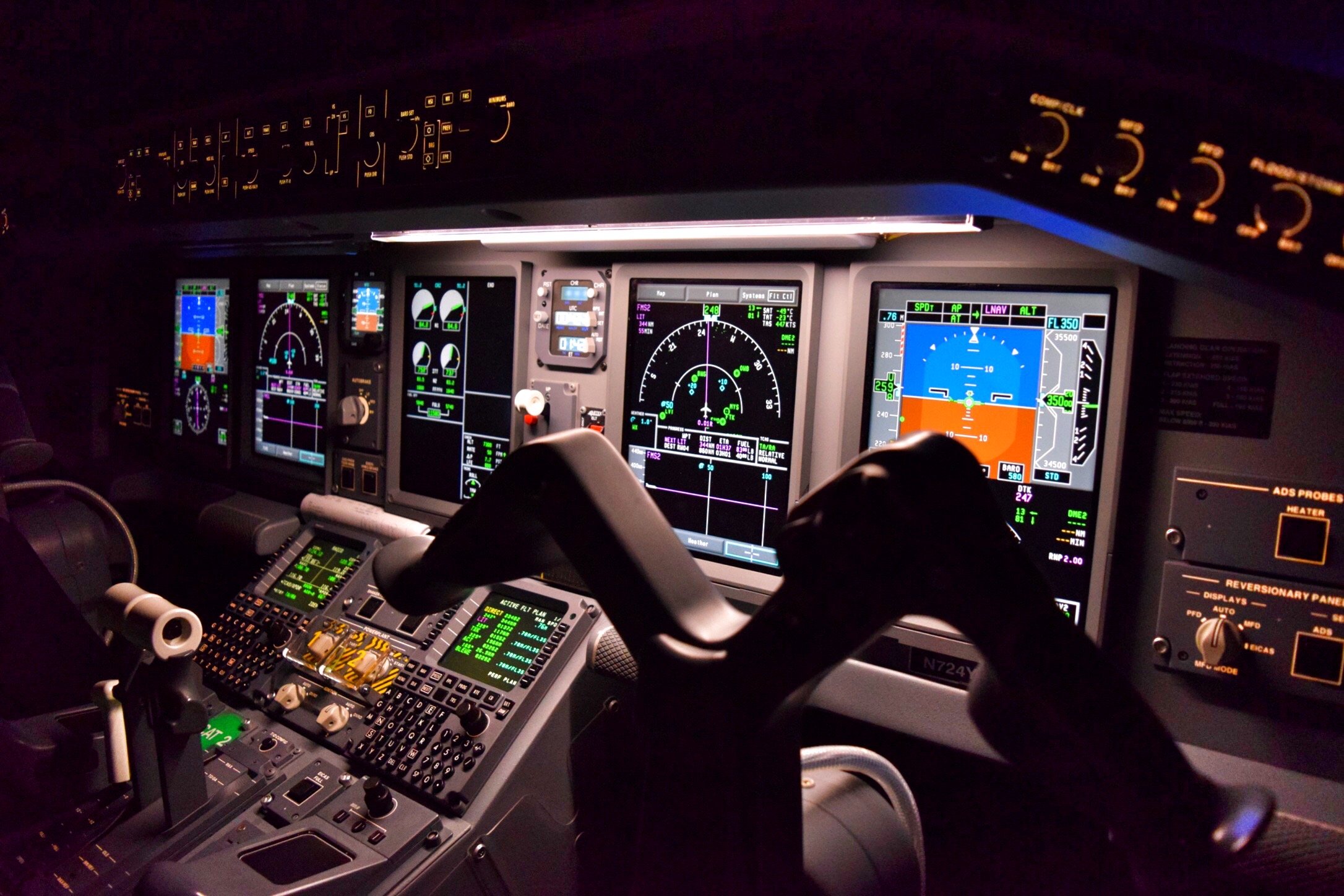
Airline Pilot Program
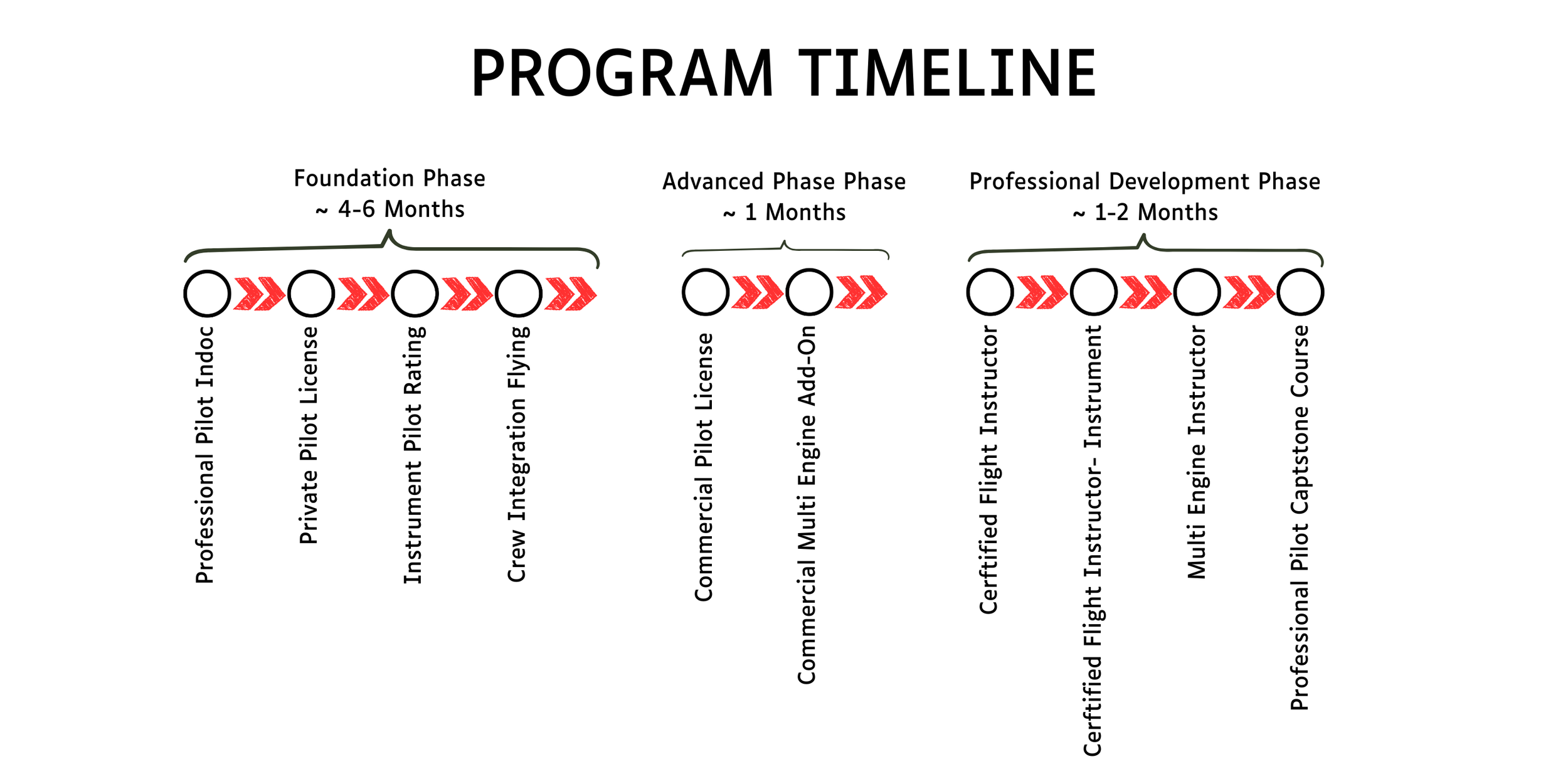
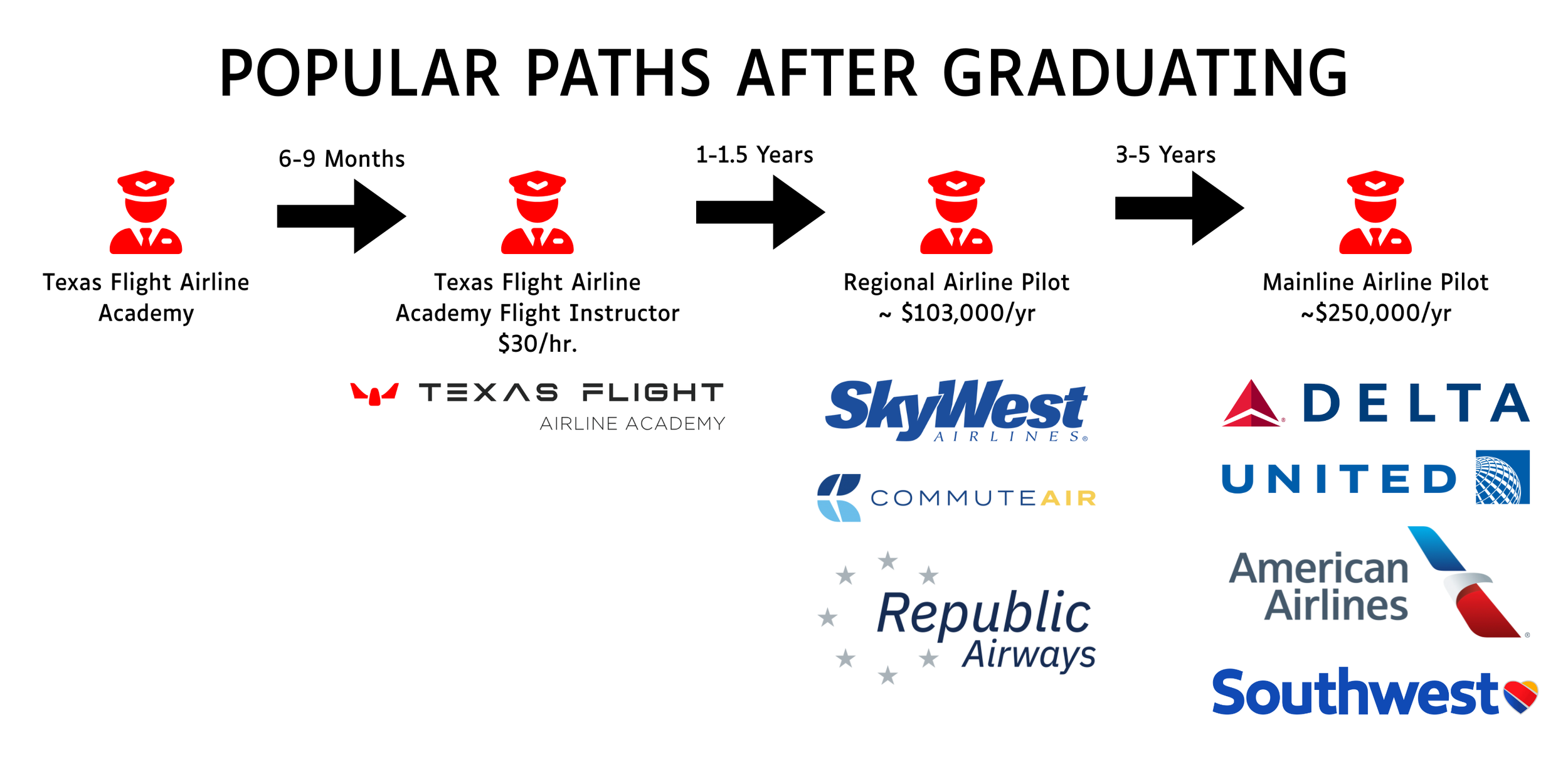
Texas Flight Airline Academy offers an airline pilot program in Houston, Texas, designed for students who want a clear, structured path from zero experience to a professional aviation career. Our program focuses on airline-style training, discipline, and career readiness from the very beginning.
A career-focused training path built around
airline hiring and performance standards
Why This Program Exists
Texas Flight Airline Academy delivers a structured airline pilot training program in Houston built around real-world airline training standards. Most large career flight schools focus on helping students reach FAA minimum requirements. While that approach can produce licensed pilots, it does not necessarily prepare them for the standards, expectations, and evaluation methods used by airlines during hiring and new-hire training.
Texas Flight Airline Academy was created to close that gap.
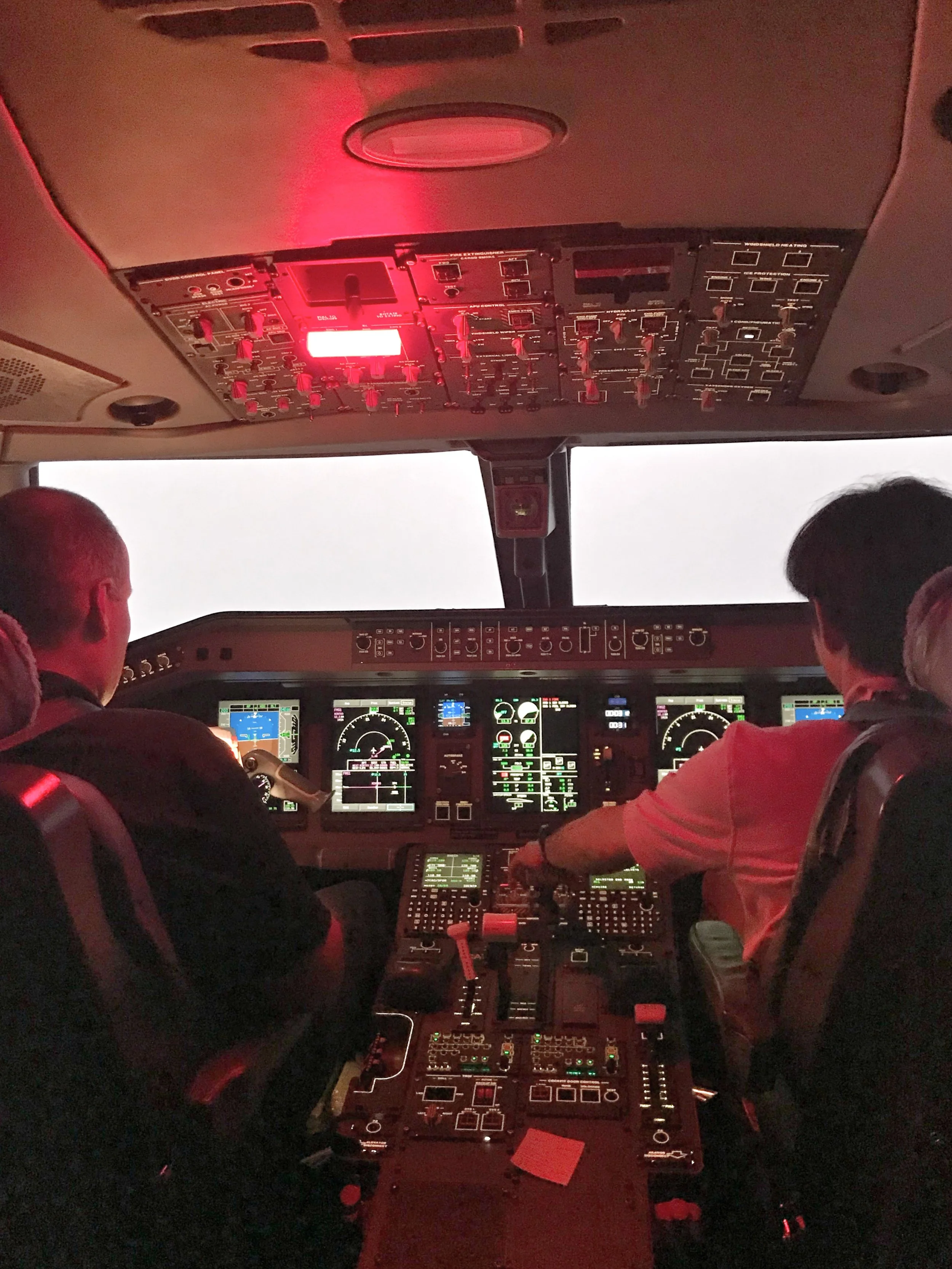
From the first day of training, students operate within an airline-style system designed around how professional crews are trained, evaluated, and expected to perform. Our program removes distractions and nonessential elements so students can focus on developing the exact technical skills, decision-making habits, and cockpit professionalism airlines look for. Using innovative training methods, scenario-based learning, and competency-based assessment principles, we shape pilots to meet airline expectations, not just pass checkrides.
This is professional preparation, not minimum-standards training.
An Airline-Style Training System
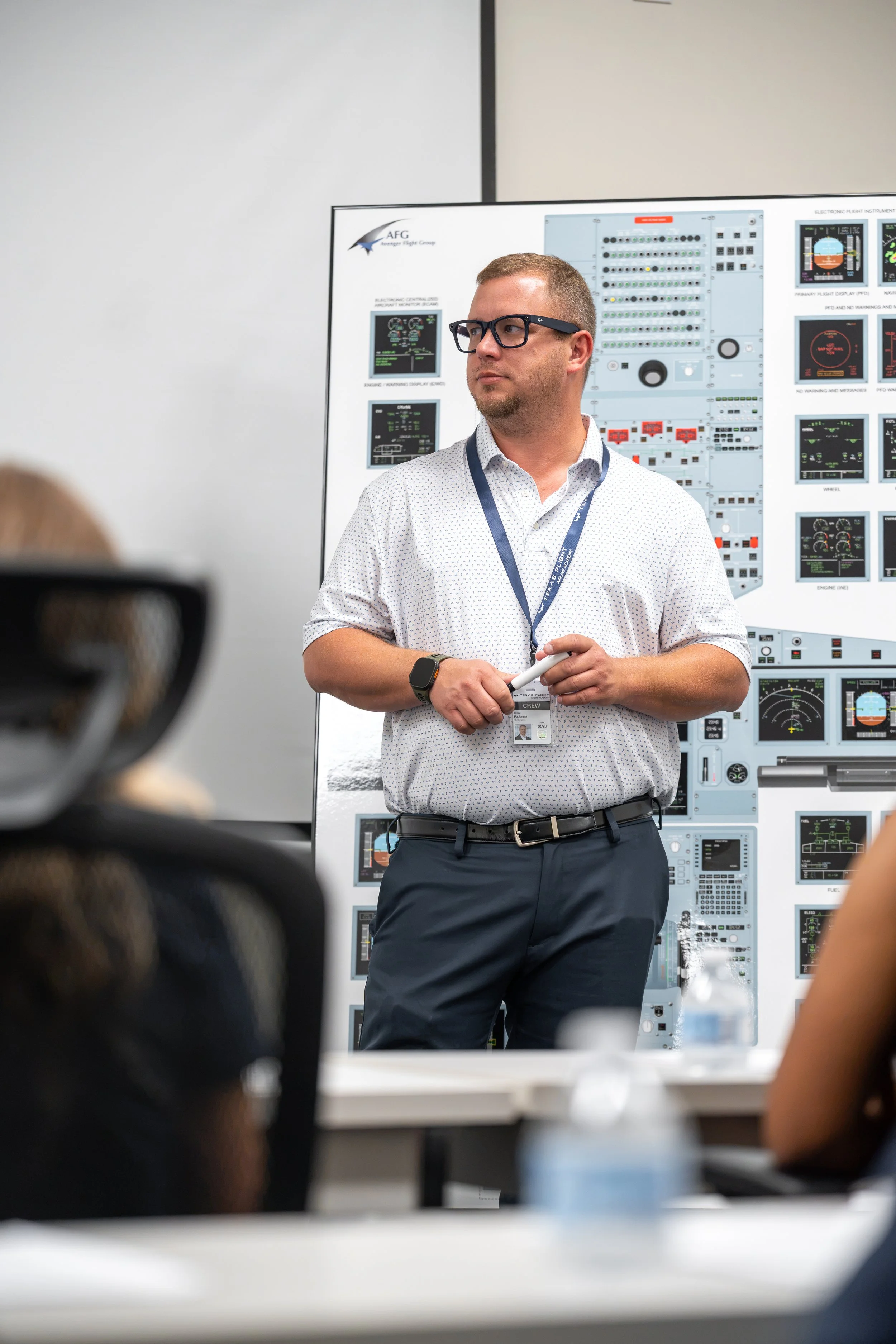
At Texas Flight Airline Academy, “airline-style training” is not a slogan, it is the structure of how students learn, operate, and are evaluated every day.
Airlines train pilots using structured systems designed to develop judgment, discipline, and crew performance under real-world conditions. We apply those same principles from the beginning of training so students develop professional habits early rather than trying to relearn them later.
Our training system includes:
• Scenario-Based Lessons
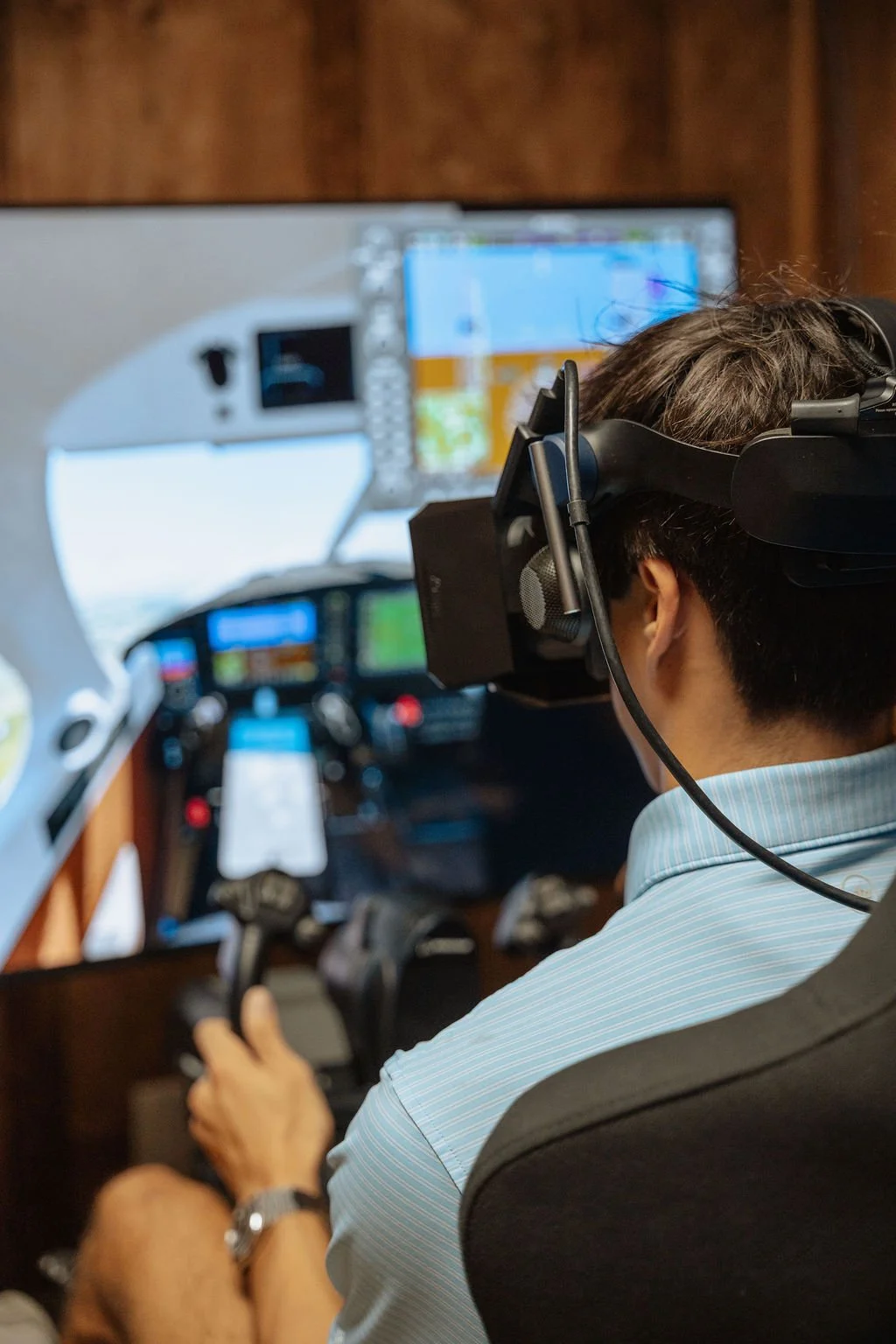
Training flights and simulator sessions are built around realistic operational scenarios, not isolated maneuvers. Students learn to manage workload, make decisions, and prioritize tasks the way airline pilots do in line operations.
• Crew-Style Cross-Country Operations
Students gain structured crew-style experience that mirrors multi-pilot cockpit environments in a dynamic environment, emphasizing communication, task sharing, and real-world operational planning.
• CRM, TEM, and ADM Integrated Daily
Crew Resource Management, Threat & Error Management, and Aeronautical Decision Making are not taught as separate subjects, they are integrated into every phase of training so professional decision-making becomes second nature.
• Competency-Based Evaluations
Students are assessed on performance standards similar to those used in airline training programs, focusing on judgment, risk management, and consistency, not just checklist completion.
• Standardized Procedures, Flows, and Callouts
From day 1, students operate using structured procedures that build discipline and cockpit professionalism expected in airline operations.
• Interview and Career Preparation
Students receive guidance on professional standards, hiring expectations, and airline interview readiness, helping bridge the gap between training and career progression.
We also use FAA safety data and industry trends to periodically refine training scenarios so students are practicing responses to relevant, real-world operational challenges. This ensures training stays aligned with the environments today’s professional pilots actually face.
The result is a graduate who has already trained in a professional system and is ready to excel in the professional environment, not just learned to pass checkrides.
By The Numbers
TOTAL FLIGHT TIME
267
TOTAL MULTI-ENGINE TIME
40 Hours
ESTIMATED COURSE LENGTH
9 Month Target
Ready To Start Your Career?
Begin your journey with the airline pilot training program at Texas Flight Airline Academy in Houston, Texas. Whether you are starting from zero or looking for accelerated flight training, our structured program is designed to help you achieve your commercial pilot and airline career goals.